
MY WISHLIST
MY WISHLIST

TL;DR: New York fashion in 2026 emphasizes confident individuality through architectural silhouettes, quality fabrics, and personal conviction. Spring trends feature pastel tones and softened maximalism, blending discipline with expressive color. Neighborhood distinctions shape a style that values legibility in Manhattan and originality in Brooklyn.
New York fashion taste is defined by confident individuality expressed through architectural silhouettes, a softened maximalist color palette, and neighborhood-specific style logic. This is not a city where you dress to blend in. NYC style, the term fashion professionals use interchangeably with New York fashion aesthetic, operates as a form of nonverbal communication: your clothes signal competence, cultural awareness, and personal conviction before you say a word. Spring 2026 brings a notable shift toward pastel tones and wearable maximalism, while the core tension between Manhattan’s polished authority and Brooklyn’s identity-driven originality continues to define how fashion taste in New York actually works on the street.
New York fashion taste centers on three non-negotiable principles: silhouette clarity, fabric quality, and personal conviction. These are not trends. They are the structural logic behind every outfit that reads as authentically NYC, whether you are walking through SoHo or Williamsburg.
Clothing communicates competence and self-respect in New York before a single word is spoken. That cultural expectation shapes every choice, from the cut of a blazer to the weight of a bag’s leather.
The city’s NYC fashion culture also rewards discipline over decoration. New Yorkers do not dress for occasions. They dress for the full day: a morning meeting, a gallery opening, a late dinner, all in the same outfit. That practical demand pushes the aesthetic toward versatile, well-constructed pieces over single-use statement dressing.
Spring 2026 adds a layer of optimism to this foundation. Softened maximalism is the defining mood, with pastel tones replacing the city’s traditional neutrals without abandoning its structural discipline. The result is a look that is expressive but never chaotic.
The visual grammar of New York fashion is built on clean lines, quality materials, and deliberate proportion. Understanding these elements is the fastest way to decode what you see on the street.
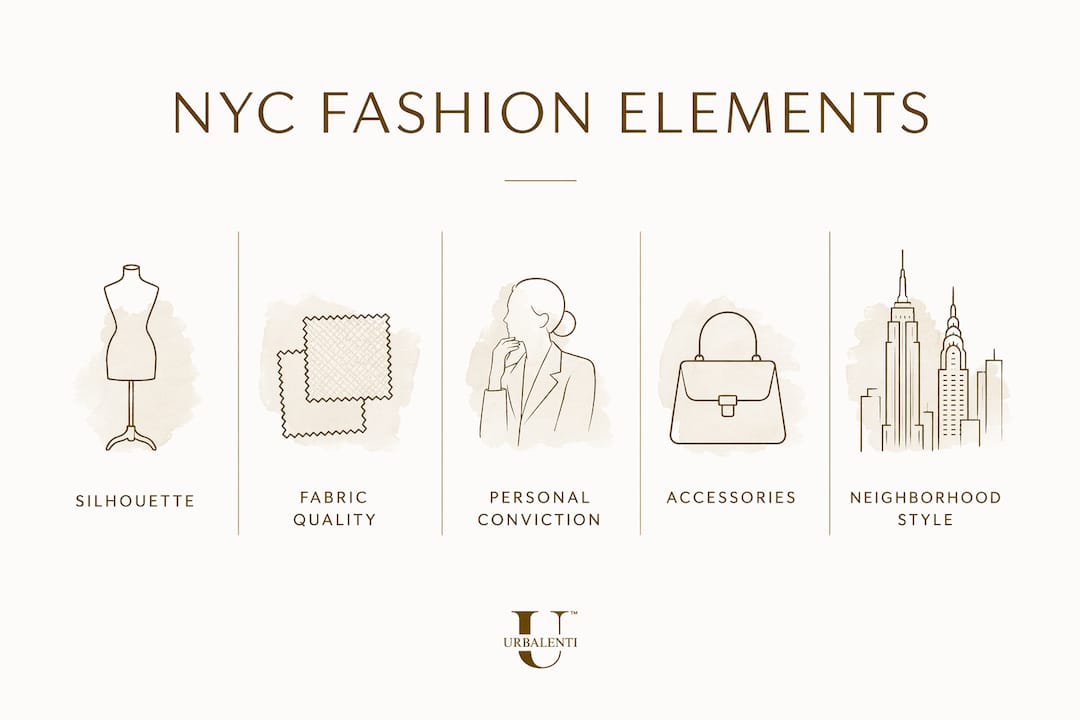
Oversized tailoring and architectural shapes dominate the city’s aesthetic in 2026. Wide-leg trousers, oversized leather trench coats, and structured blazers are the most consistent visual signals of NYC style. Brands like The Row, Khaite, and Totême set the reference point, and their influence filters into every price tier. The silhouette communicates authority without effort.
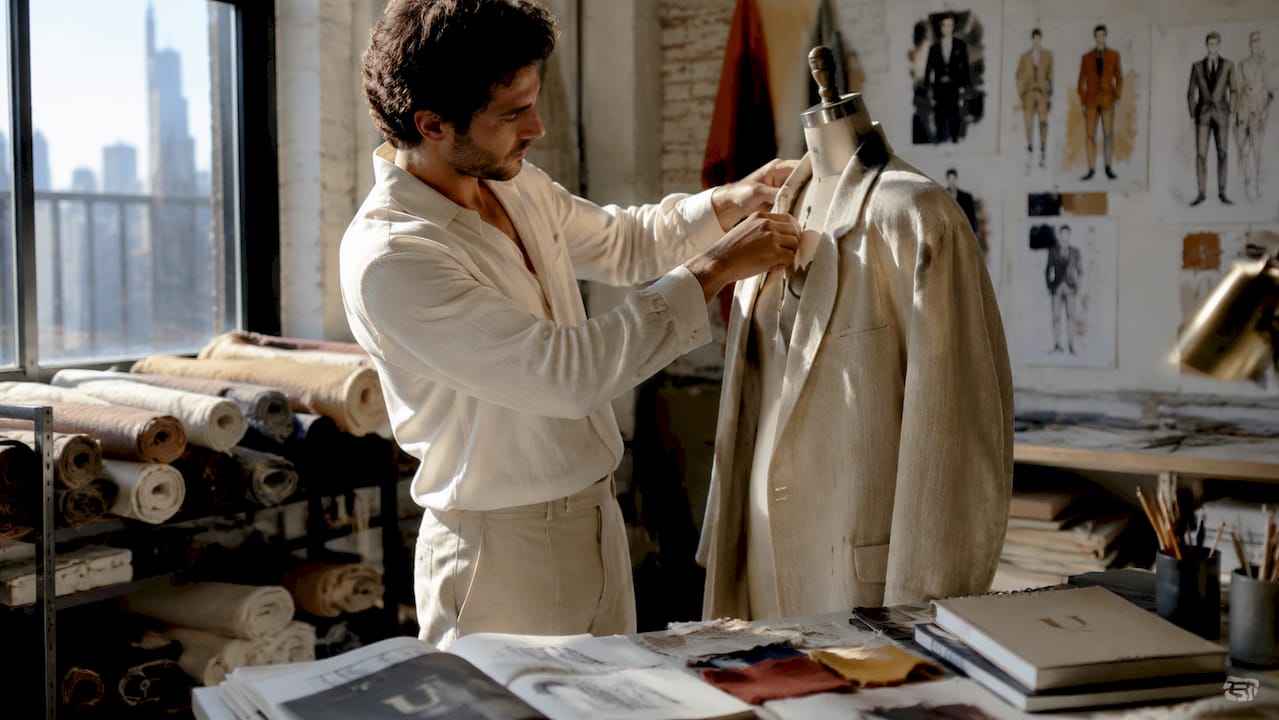
Fit is the single most important variable. A well-tailored piece in quality fabric always outperforms a trend-driven item in poor material. New Yorkers collectively recognize and reward this distinction, and it shows in how the city’s best-dressed residents shop.
Spring 2026 marks a clear departure from the city’s traditional black-and-neutral palette. Pastel tones like butter yellow, ballet pink, and lavender are now central to the season’s look. These colors carry a subtle mid-2000s nostalgia while reading as current and intentional. Accessible entry points for these pieces start at $15–$27 at retailers like Amazon and Nordstrom, which means the color shift is genuinely democratic.
Fabric choices remain uncompromising at the investment level. Satin, silk, and upcycled vintage pieces priced from $200 to $2,000 define the quality tier that serious NYC dressers prioritize. These materials hold their shape, photograph well, and age with dignity.
The New York approach to accessories is selective and deliberate. One strong piece outperforms five mediocre ones. The New York Capsule Wardrobe framework, built around seven core timeless items including white button-downs and Mary Jane flats, treats accessories as the primary investment category. Leather clutches retailing near $990 represent the standard investment benchmark for this approach. The logic is simple: a quality bag elevates every outfit it accompanies.
Pro Tip: When building your NYC-inspired accessory collection, choose one investment-level bag in a neutral or pastel tone before adding any other accessories. It will carry more visual weight than any combination of lower-quality pieces.
New York fashion is not one aesthetic. It is a collection of distinct style logics organized by neighborhood, and understanding that geography is the difference between authentic expression and obvious imitation.
Manhattan style prioritizes legibility and refinement as signals of professional status. The look is structured, polished, and immediately readable. A Saint Laurent blazer, tailored trousers, and clean leather shoes communicate exactly what they are meant to communicate: competence and control. There is very little ambiguity in Manhattan dressing. Every element earns its place.
The Upper East Side and Midtown set the most formal register. SoHo and the West Village introduce more creative latitude while maintaining the same underlying discipline. The common thread across all Manhattan neighborhoods is intentionality. Nothing looks accidental.
Brooklyn style centers on cultural scene participation and personal identity rather than professional signaling. Vintage pieces, independent labels, and unexpected combinations are the currency of authenticity in Williamsburg, Bushwick, and Park Slope. The goal is not to look expensive. The goal is to look like you.
This does not mean Brooklyn style is casual or unconsidered. The curation is just as rigorous. The difference is that Brooklyn rewards originality over legibility. A rare vintage find from a Greenpoint shop reads as more valuable than a recognizable luxury logo.
Pro Tip: The most convincing NYC outfits combine one Manhattan-level investment piece with one Brooklyn-sourced or vintage element. That contrast is the actual signature of authentic New York dressing.
The 2026 spring season in New York reflects two parallel forces: a genuine optimism expressed through color and softened maximalism, and a growing commitment to sustainability that is reshaping how the city’s most informed dressers shop.
Spring 2026’s softened maximalism reflects optimism and a spirit of reinvention in NYC fashion. This is not the loud, logo-heavy maximalism of earlier cycles. It is a more considered version: pastel layering, textural contrast, and proportion play within a structured silhouette. The mood is playful and polished at the same time.
The trend is accessible at multiple price points. Entry-level pieces in butter yellow and lavender start at $15–$27 at accessible retailers, while investment versions in silk and satin occupy the $200–$2,000 range. That spread means the aesthetic is genuinely available to anyone willing to prioritize fit and color over brand recognition.
Sustainable luxury using eco-friendly materials and recycled fabrics is a major force in 2026 NYC spring fashion, with designers like Stella McCartney leading the category. This is not a niche concern. It reflects a broader shift in how New York’s fashion-conscious community thinks about consumption.
The capsule wardrobe strategy aligns directly with this shift. By combining timeless items with selective investment pieces, it minimizes decision fatigue and reduces impulse buying. For a city with variable weather and a demanding daily schedule, this approach is both practical and principled.
| Trend | Key Pieces | Price Range | Leading Names |
|---|---|---|---|
| Soft Maximalism | Pastel wide-leg trousers, layered satin tops | $15–$2,000 | The Row, Khaite, Totême |
| Sustainable Luxury | Recycled fabric blazers, upcycled vintage | $200–$2,000 | Stella McCartney, Totême |
| Architectural Tailoring | Oversized trench coats, structured blazers | $500–$3,000 | Saint Laurent, Givenchy |
| Capsule Essentials | White button-downs, Mary Jane flats, leather clutches | $27–$990 | Max Mara, Golden Goose |
Authentic NYC style is not assembled from a shopping list. It is built through a series of deliberate decisions about quality, proportion, and personal conviction. These principles apply regardless of your budget.
Invest in versatile staples first. A well-cut white button-down, a structured blazer in a neutral or pastel tone, and one quality leather bag cover more ground than ten trend-driven pieces. The New York luxury fashion influences that shape the city’s aesthetic consistently return to these foundations.
Prioritize fit above all else. A $150 blazer that fits perfectly reads as more expensive and more intentional than a $600 blazer that does not. New Yorkers notice fit before they notice labels. Tailoring a purchased piece is always worth the cost.
Blend price points with purpose. Conviction and personal style matter more than trend approximation in NYC. A vintage find paired with a Saint Laurent accessory is more authentically New York than a head-to-toe designer look assembled without personal logic.
Use vintage shopping as a tool for individuality. Greenpoint, the Bowery, and Williamsburg’s vintage markets offer pieces that cannot be replicated. One strong vintage item in an otherwise clean outfit signals cultural fluency, which is the Brooklyn contribution to the NYC aesthetic.
Respect the city’s practical demands. New York requires you to walk, commute, and transition between environments in the same outfit. Elevated basics, quality footwear, and weather-appropriate layering are not compromises. They are part of the style logic.
Develop your own NYC fashion curation practice. Edit your wardrobe regularly. Remove pieces that do not serve multiple contexts. The discipline of curation is itself a New York value.
New York fashion taste is built on silhouette discipline, fabric quality, and personal conviction, not trend volume.
| Point | Details |
|---|---|
| Silhouette is the foundation | Architectural shapes like wide-leg trousers and oversized trench coats define NYC’s visual identity. |
| Conviction outperforms trend-following | Personal style with clear intention reads as more authentically New York than any trend approximation. |
| Neighborhood logic matters | Manhattan rewards legibility and polish; Brooklyn rewards originality and cultural identity. |
| Soft maximalism leads spring 2026 | Pastel tones and wearable layering replace the city’s traditional neutrals this season. |
| Capsule thinking reduces noise | Seven core timeless pieces plus selective investment accessories cover the full range of NYC style demands. |
New York fashion is fundamentally a discipline, not a trend cycle. That is the insight most outside observers miss. The city does not reward the person who wears the most current piece. It rewards the person who wears the right piece with total conviction.
I have watched this play out across every neighborhood and every season. The most compelling dressers in New York are not the ones chasing what just appeared on a runway. They are the ones who have built a clear personal aesthetic and execute it consistently. That consistency is what reads as style. Everything else reads as effort.
The Manhattan versus Brooklyn distinction is real, but the most interesting dressers in the city do not belong entirely to either camp. They understand both logics and use them selectively. A Givenchy blazer worn with a vintage Levi’s jacket and Golden Goose sneakers is a more authentically New York outfit than either a full luxury look or a full vintage look. The blend is the point.
Spring 2026’s shift toward softened maximalism feels right for where the city is culturally. There is genuine optimism in those pastel tones. After several seasons of severe minimalism, the willingness to wear butter yellow or ballet pink without irony is its own form of confidence. That is very New York.
The practical advice I would give anyone trying to develop their NYC style is this: stop asking what New Yorkers wear and start asking why they wear it. The answer is always about communication, conviction, and the discipline of knowing exactly who you are when you get dressed.
— Admin Urbalenti
Urbalenti™ NYC curates designer fashion with the same logic that defines authentic NYC style: quality over volume, intention over trend, and investment pieces that work across every context.
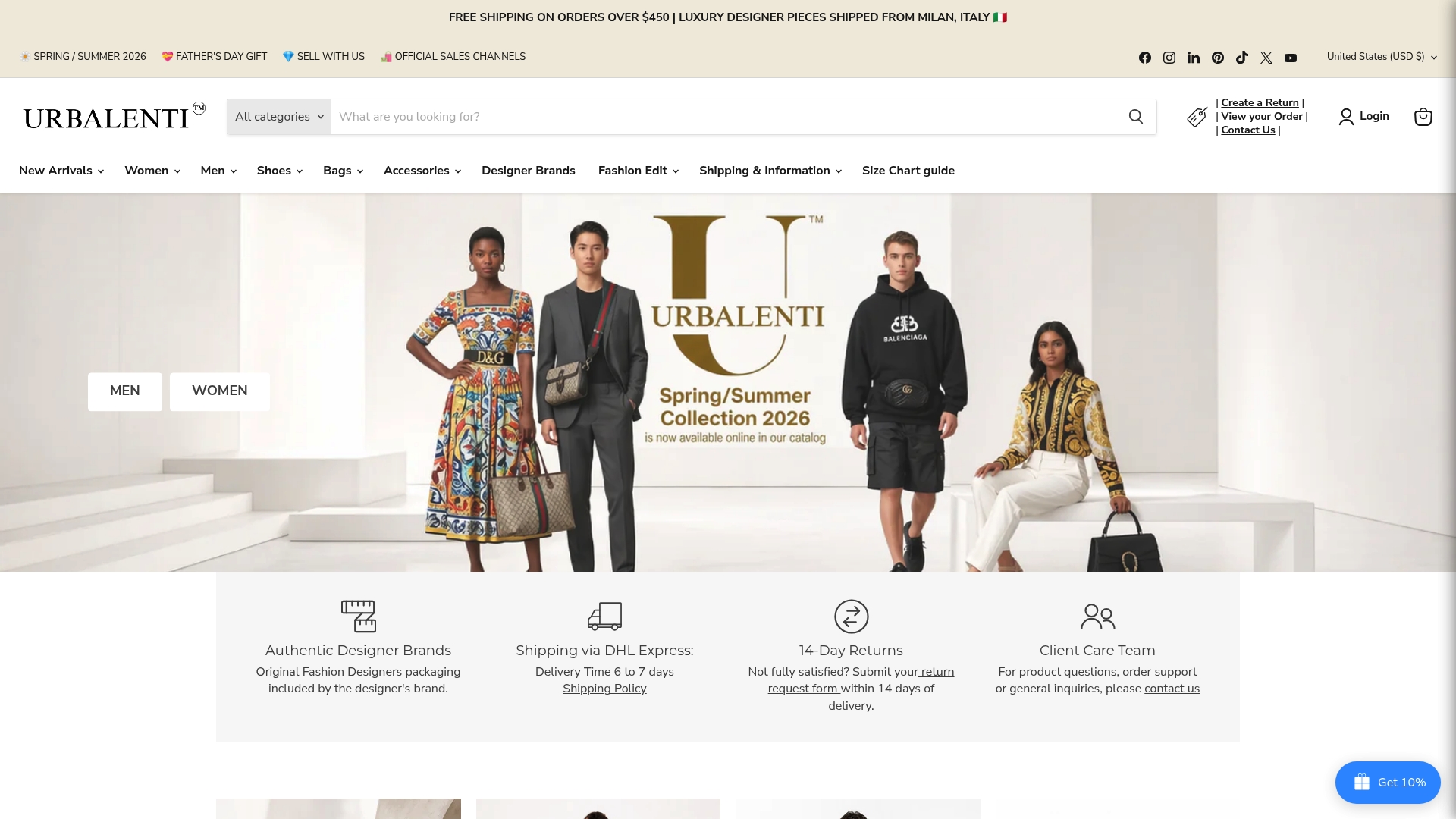
The current selection includes architectural staples and investment accessories from Saint Laurent, Gucci, Givenchy, and Dolce & Gabbana, all fulfilled directly from Milan with worldwide DHL Express shipping. For the soft maximalism moment of spring 2026, the Dolce & Gabbana logo-embroidered T-shirt offers a clean entry point into the season’s expressive energy. The Gucci shopping bag represents exactly the kind of investment accessory the NYC capsule wardrobe approach prioritizes. Every order at Urbalenti™ NYC includes personalized support from selection through delivery, with each client treated as a VIP regardless of purchase size.
New York fashion taste is a style approach built on confident individuality, architectural silhouettes, and personal conviction. It functions as nonverbal communication, signaling competence and cultural awareness through deliberate clothing choices.
NYC style is defined by its discipline and neighborhood-specific logic. Unlike other American cities, New York rewards legibility and conviction over trend volume, and the Manhattan versus Brooklyn distinction creates two distinct but complementary style frameworks within the same city.
Spring 2026 NYC trends center on softened maximalism with pastel tones including butter yellow, ballet pink, and lavender. Architectural tailoring and sustainable luxury through upcycled vintage pieces remain equally central to the season’s aesthetic.
Start with seven core timeless pieces as outlined in the New York Capsule Wardrobe framework, then add one investment accessory. Prioritize fit and fabric quality over brand recognition, and use vintage markets to add individuality without significant cost.
Sustainability is a growing priority in NYC fashion for 2026. Designers like Stella McCartney lead the sustainable luxury category, and the capsule wardrobe approach, which minimizes impulse buying in favor of timeless investment pieces, reflects the same values across all price points.
Leave a comment