
Free Shipping

The most reliable way to protect suede sneakers is to apply a suede-specific protector spray to clean, dry suede before the first wear, then maintain them with a suede brush after each use. Proactive protection is consistently easier than reversing damage — a point shoe repair professionals emphasize repeatedly. Three sprays cover most needs: Crep Protect for broad rain-and-stain coverage, Jason Markk Repel as a PFC-free option, and a travel-size Crep Protect can for quick reapplication on the go.
Three steps to do right now:
Applying a suede-specific protector spray to clean, dry suede before first wear, then brushing regularly and reapplying every 3–6 weeks with frequent use, is the most effective way to protect suede sneakers from water, stains, and wear.
| Point | Details |
|---|---|
| Apply before first wear | Spray clean, dry suede with two light coats from a suitable distance before wearing for the first time. |
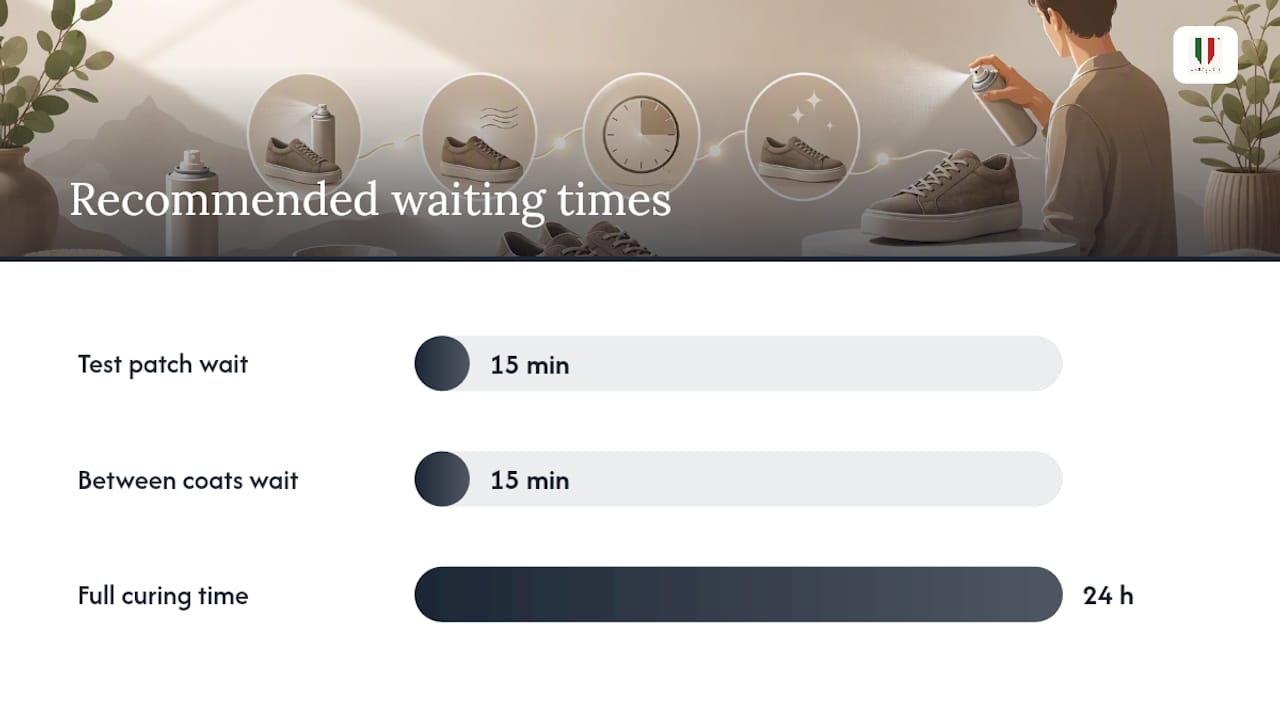
| Test patch first | Always test on a hidden area and wait 15 minutes to check for color or texture change. |
| Reapply every 3–6 weeks | Adjust frequency based on exposure; seasonal reapplication suits occasional wear. |
| Brush after every wear | A suede brush lifts the nap and removes surface dirt, extending protector life. |
| Urbalenti™ NYC suede picks | Designer suede sneakers from Urbalenti™ NYC should be protected immediately upon arrival using the routine above. |
Choosing a spray comes down to how you wear your sneakers and what conditions they face most. The table below covers the key decision points.
| Feature | Crep Protect | Jason Markk Repel | Scotchgard Suede & Nubuck |
|---|---|---|---|
| Best for | Rain and stains | Eco-conscious buyers | Budget-friendly stain guard |
| Material compatibility | Suede, nubuck, fabric | Suede, nubuck, leather | Suede, nubuck |
| Expected durability | Several weeks per application | Several weeks | Seasonal (reapply every few months) |
| Ease of application | Aerosol, easy even coat | Aerosol, light mist | Aerosol, straightforward |
| Scent / residue | Mild, minimal residue | Low odor, no residue | Mild chemical scent |
| U.S. availability | Widely available online and in stores | Specialty sneaker retailers, online | Mass retail, hardware stores, online |
Crep Protect is widely listed on Amazon and in major U.S. sneaker retailers, making it the most accessible pick. Jason Markk Repel suits buyers who prefer a no-PFAS formula without sacrificing performance. Scotchgard Suede & Nubuck is the practical choice when cost is the primary concern and wet-weather exposure is occasional.
Quick notes by spray:
For designer suede sneakers from labels like Autry or Jil Sander, Crep Protect or Jason Markk Repel are the safer choices given their lighter residue profiles.
Application technique matters as much as product choice. Applying spray to dirty or damp suede, or holding the can too close, can cause uneven coverage, color change, or stiffening.
Conditions to avoid during application:
Pro Tip: Cover shoelaces and rubber midsoles with masking tape or a folded cloth before spraying. Protector spray on laces stiffens them, and residue on midsoles can leave a dull film that’s difficult to remove.
Consistent upkeep extends the life of any protector and keeps suede looking its best between reapplications. The routine is short.
After every wear:
Weekly checks:
Reapplication schedule:
Retail and repair experts advise reapplying water-repellent sprays seasonally for occasional wear, and about every 3–6 weeks for sneakers worn regularly in wet weather. If water stops beading on the surface and starts soaking in, that’s the clearest sign the protector has worn off.
Storage:
Different stains need different first responses. Using the wrong method on the wrong stain type can set it permanently.
Use a suede eraser directly on the mark, applying light pressure in short strokes. Follow with a brush to lift the nap. Avoid scrubbing hard — aggressive friction flattens the nap and can create a shiny patch that’s difficult to reverse.
When to stop and call a professional: If a stain covers a large area, has changed the suede’s color, or persists after two or three home treatment attempts, take the sneakers to a professional suede or leather cleaner. Continuing to treat a stubborn stain at home risks permanent fiber damage.
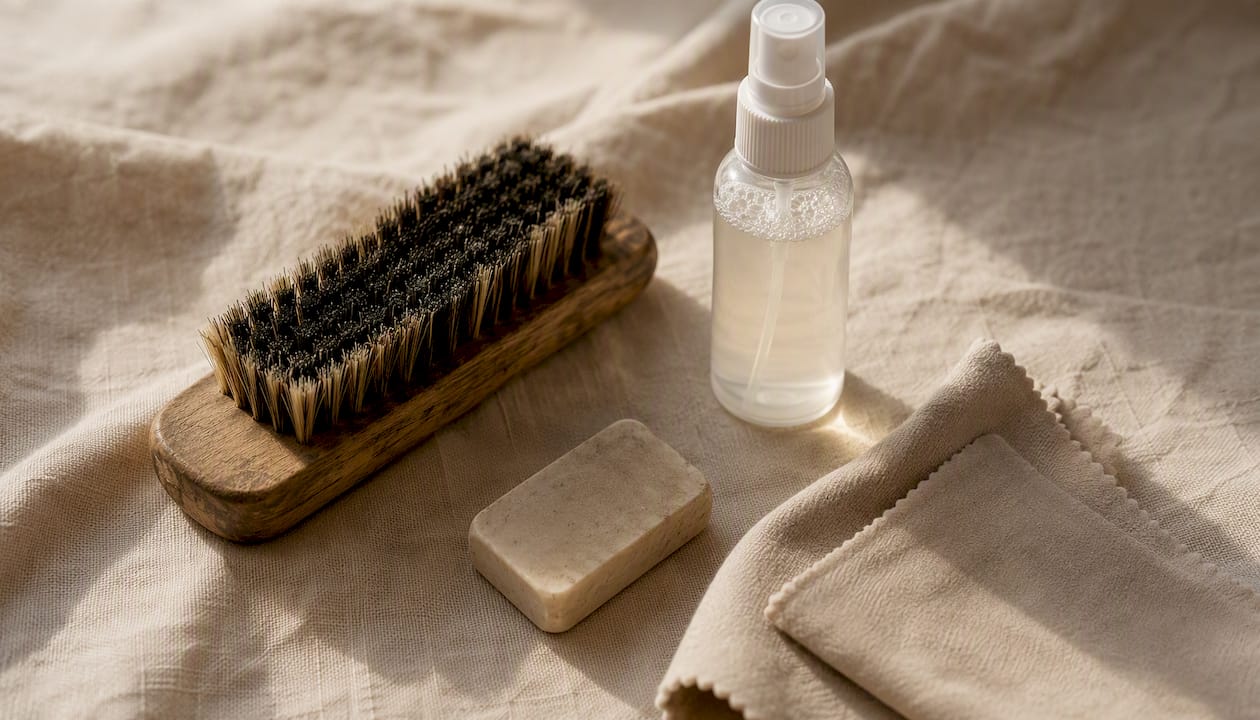
A short, well-chosen kit handles most situations. These are the items worth having before a problem appears.
Brushes:
Suede eraser: A firm, rubber-like block that lifts surface scuffs and light marks without liquid. Rub gently on the affected area, then brush. Most suede care kits include one.
Protector spray checklist:
| Type | When to use | Notes |
|---|---|---|
| Water-based spray | General suede and nubuck protection | Lighter residue, safer for most colors |
| Solvent-based spray | Heavier waterproofing needs | Stronger barrier, test carefully first |
| PFC-free / no-PFAS spray | Eco-preference buyers | Performance comparable to standard sprays |
| Travel-size aerosol | On-the-go reapplication | Convenient for bag or locker |
Buying notes:
Most suede damage is preventable. These are the errors that cause the most irreversible harm.
If the suede changes color after a product test, stop immediately. Color shift during a test patch is a sign the formula is incompatible with that specific dye or finish. Do not proceed to the full shoe. Consult a professional cleaner before attempting any further treatment.
Eric Neuner, a shoe repair professional cited by NuShoe, puts it plainly: preventing damage is easier than reversing it. A single application of protector spray before the first wear costs minutes and a few dollars. Reversing a set oil stain or a color-altered panel can cost significantly more and may not fully restore the original look.
Protector sprays reduce risk. They do not eliminate it. Waterproofing suede reduces but does not remove the risk from heavy soaking or oil exposure — a point worth keeping in mind for high-value items. A spray that holds up through light rain and minor splashes will not protect against stepping into a puddle or a cooking oil spill.
What protector sprays reliably do:
What they don’t do:
Brand reputation and widespread retail availability are reasonable trust signals when choosing a spray. Products like Crep Protect have consistent user feedback across major U.S. retailers, and their manufacturer claims of several weeks’ protection align with what regular users report under normal conditions.
For high-value suede sneakers — whether Autry Medalist suede styles or Jil Sander Etage suede sneakers — the protective routine above applies from day one. Apply protector before the first wear, not after the first scuff.
Urbalenti™ NYC also carries designer leather goods where the same care principles apply. The Tod’s Brown Calfskin Handbag, Tod’s Black Calfskin Handbag, and Dolce & Gabbana Blue Cotton Handbag are examples of items that benefit from proper protective care from the moment they arrive. Authentication, competitive pricing, and fast international delivery are the baseline — protecting what you receive is the next step.

Urbalenti™ NYC carries authentic designer sneakers and accessories, curated in New York and fulfilled directly from Milan via DHL Express. For buyers who want a verified source for high-value suede styles, the catalog includes pieces from labels where suede quality and construction justify the protective routine covered in this article. The Versace Black Calfskin Athletic Sneakers are one example: a premium item that benefits from protector spray applied before the first wear and consistent brush maintenance afterward.
Every order ships with authentication and competitive pricing. Browse the full designer sneaker collection at Urbalenti™ NYC and apply the care routine above from day one.
Apply a suede-specific protector spray to clean, dry suede before the first wear, using two light coats from about 8 inches away, and let them cure for 24 hours. Brush after every wear and reapply the spray every 3–6 weeks depending on how often and in what conditions you wear them.
Crep Protect is widely available in the U.S. and offers reliable rain-and-stain protection lasting several weeks per application under normal conditions. Jason Markk Repel is a strong PFC-free alternative for buyers who prefer an eco-conscious formula.
Clean suede with a suede brush and eraser before applying any protector. For protection, a spray labeled specifically for suede and nubuck — such as Crep Protect or Scotchgard Suede & Nubuck — applied after cleaning gives the best results.
Reapply seasonally for occasional wear, and approximately every 3–6 weeks if you wear suede sneakers regularly in wet or dirty conditions. The clearest sign it’s time to reapply is when water no longer beads on the surface.
Leave a comment